Henan Hengyuan

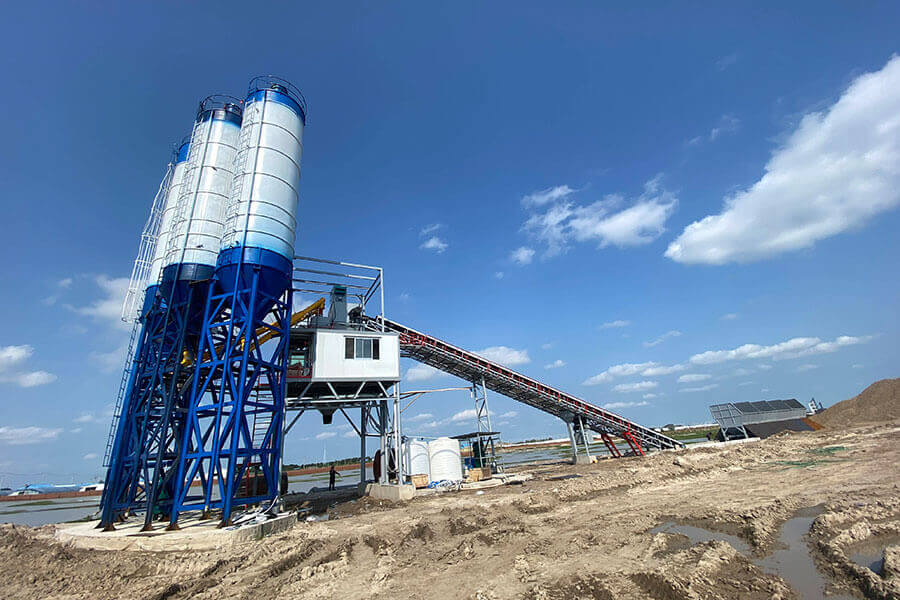
Compared with traditional conventional concrete mixing plants, the wet mix concrete mixing plants produced by Henan Hengyuan have unique advantages.
Differences between wet-mix concrete batching plants
Differences in production processes
First, a wet-mix concrete batching plant adds water before batching and mixing the concrete. This method allows for better control of the concrete’s uniformity and fluidity, thereby improving the overall strength and durability of the building structure. In contrast, conventional batching plants struggle to achieve the same fineness and consistency as wet-mix concrete.
Differences in environmental pollution
Secondly, the wet-mix concrete batching plant boasts outstanding environmental performance. Equipped with advanced dust removal systems and wastewater treatment equipment, it effectively reduces dust and wastewater emissions. These standards meet current green building and sustainable development requirements. Traditional concrete batching plants, on the other hand, have relatively backward environmental protection measures and are prone to dust pollution and wastewater discharge.
Differences in control systems
In addition, wet-mix concrete batching stations use a highly automated production control system, which can achieve full-process automated operation from raw material proportioning, mixing to finished product output. This not only improves production efficiency, but also reduces labor costs and operating errors. Conventional batching stations often rely on manual operation, and the stability of production efficiency and product quality is relatively low.
As the demand for high-quality concrete in the construction industry continues to increase, wet mix concrete batching plants are expected to be more widely used in the future.
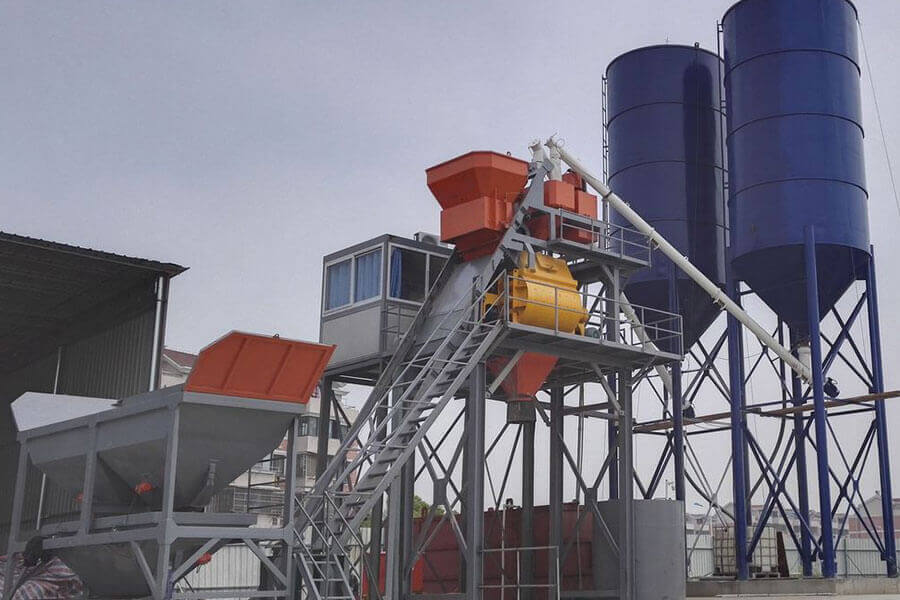
The above are the differences between wet-mix concrete batching plants.
In short, the advantages of wet mix concrete batching stations produced by Henan Hengyuan in technology, environmental protection and efficiency make it one of the commonly used equipment in the field of building materials production.